Seasonal Pest Control Tips for North York Homes
If you live in North York, pest pressure can vary fast with the weather. As part of Toronto, the area combines high-rise buildings, townhomes, detached homes, busy commercial corridors, and park-adjacent streets, which produces very different conditions for pest control North York homeowners need to plan for. Seasonal pest control is not just about responding to an infestation; it is about prevention, monitoring, exclusion, and timely treatment before pests discover harborage in and around your property.
From ants in spring to mice in fall, and from wasps in summer to rodents pushing indoors during winter, North York goes through strong weather changes that affect bug activity and rodent movement. A sensible plan built around local weather, housing style, and property layout can reduce recurrence and strengthen long-term risk reduction.
Why Seasonal Pest Control Matters in North York
North York is a crowded and varied part of Toronto, and that density matters. Condos, condo buildings, and commercial spaces often share walls, utility chases, garbage areas, and common areas. Standalone houses and townhomes, meanwhile, face pressure from yards, driveways, basements, and roofline gaps. That mix creates constant urban pest activity throughout the year.
Seasonal pest management works because pests respond to weather, food availability, moisture, and shelter. Warm months increase nesting and foraging, while cooler seasons push rodents and insects indoors. Homeowners and property managers who schedule home inspections and property inspections at key times of year can identify entry points, moisture problems, and sanitation issues before they become more serious concerns.
In North York, prevention should also account for nearby green space and park-adjacent areas. Properties near ravines, tree lines, or landscaped common areas may see more ants, mosquitoes, spiders, and rodents because those spaces support nesting and shelter. In those cases, weatherproofing, debris removal, and consistent monitoring are essential parts of an effective seasonal pest control plan.
Frequent Insects in North York by Seasonal Cycle
Multiple infestations become most common at different parts of year. Understanding the yearly pattern helps you pick the right inspection timing, exclusion repairs, sanitation steps, and treatment plan.
Early Season Pest Concerns: Ants, Spiders, and Early Nesting Activity
Spring is a key shift period in North York. As temperatures rise, ants become more active and begin scouting for food and moisture indoors. Small cracks in foundations, gaps around windows, and utility penetrations become active entry points. Spiders also become more visible as they follow prey into garages, basements, and utility rooms.
Spring is also when nesting activity starts to increase around rooflines, eaves, and yard structures. If your home or building has lingering moisture, piled leaves, or outdoor clutter, these areas can become attractive harborage zones. For detached homes, the perimeter should be checked closely. For condominiums, common storage areas, garbage rooms, and mechanical spaces may need added attention because pests can move between units through shared spaces.
Spring prevention should focus on inspection and exclusion. Look for damaged caulking, loose screens, and gaps around vents. Address any food residue in kitchens and shared amenity spaces. In many North York buildings, early spring is the ideal time to begin monitoring for ant trails before they become established.
Summer Pest Issues: Wasps, Mosquitoes, and Flies
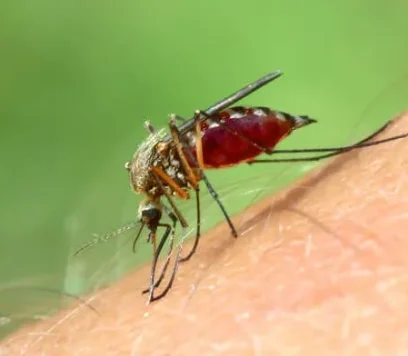
Summer in North York brings peak activity for wasps, mosquitoes, and flies. Warm weather, higher humidity, and outdoor activity create ideal conditions for these pests. Wasps often build nests under roof eaves, deck edges, sheds, and play structures. Mosquitoes thrive in standing water, including clogged eavestroughs, birdbaths, planters, and low spots in landscaping. Flies can increase where waste handling or sanitation is inconsistent.

For residents near parks, ravines, or heavily landscaped streets, summer pest pressure can be higher because these areas provide lush greenery, cool shelter, and moisture. A backyard barbecue can become a hot spot if food waste is not handled correctly. In multi-unit buildings, waste rooms and loading areas can also bring in flies and wasps if doors stay open or garbage is not removed on time.
Summer prevention should include routine checking of exterior nesting zones, closing of openings around vents and soffits, and immediate clearing of standing water. If wasps are active near a balcony, entryway, or shared patio, do not disturb the nest yourself. A professional assessment can determine whether removal or targeted treatment is needed.
Fall Pest Prevention: Mice, Rats, and Cluster Flies
Fall is one of the most important seasons for mice and rats in North York. As outdoor temperatures drop, rodents search for cozy protection and easy access to food. They can enter through tiny gaps in foundations, garage doors, service lines, and basement openings. Once inside, they may nest in concealed cavities, storage areas, and ceilings.
Cluster flies are another common fall concern. They often enter attics, wall spaces, and upper floors as they seek overwintering locations. Homeowners sometimes notice them gathering around sunny windows on mild days. Even if they seem harmless, cluster flies signal that exterior sealing may need attention.
Fall is the season to inspect door seals, foundation lines, vent screens, and door sweeps. Pay close attention to garage interfaces, utility penetrations, and any cracks formed by settling surfaces. Early intervention reduces the chance of a larger rodent problem later in winter. For homes with basements, storage rooms should be organized so signs of activity are readily visible.
Winter Infestations: Rodents and Indoor Overwintering Pests
Winter in North York brings a new set of challenges. Freeze-thaw cycles can widen small gaps, crack sealant, and create new entry points around siding, foundations, and concrete joints. That matters because rodents are persistent and can exploit even tiny openings. Once indoors, they may establish nests in heated cavities near appliances, ducting, or insulation.
The winter season also brings overwintering pests and heat-seeking insectsincluding some flies and beetles that move into wall cavities or attics to survive cold weather. They may not be visible very often during the coldest days, but they can appear on warmer afternoons or around windows and lights.
Since winter pest problems are often hidden, regular monitoring becomes especially important. Listen for scratching in walls, look for droppings in storage areas, and look for greasy rub marks along baseboards. A professional inspection can identify the source before the issue spreads. In North York, winter rodent control often depends on effective weatherproofing, durable exclusion repairs, and consistent sanitation indoors https://toronto-onvb356.opalvector.com/posts/household-pest-control-in-north-york-on and out.
Seasonal-Planning Pest Control List for North York Properties
A useful routine keeps pest control North York targeted through the year. The aim is not only to treat infestations, but to reduce the conditions that allow pests to thrive.
- Weather sealing: Review caulking, door sweeps, window seals, and foundation joints for wear.
- Entry points: Check vents, utility penetrations, garage doors, roof edges, and basement openings.
- Landscaping: Cut back shrubs away from the building, remove leaf piles, and keep mulch away from the foundation.
- Sanitation: Store food properly, clean crumbs and spills, and manage garbage and recycling without delay.
- Debris removal: Eliminate wood piles, cardboard, and clutter that provide hiding spots for pests.
- Humidity control: Repair leaks, use dehumidifiers where needed, and improve airflow in basements and storage rooms.
These tasks reinforce exclusion, monitoring, and prevention all year long. They are especially important in North York because urban density can cause rapid pest movement from one property to the next. A single overlooked crack or sanitation issue can develop into a recurring source of infestation if not corrected.
Preventive Actions for Condos, Homes, and Commercial Spaces
North York properties are not all the same, so pest prevention should correspond to the building type. A condo tower, a detached home, and a retail property face different risks and require different routines.
Condominiums often contend with shared walls, common areas, trash rooms, hallways, and stacked plumbing. These conditions can allow pests to spread between units. Property managers should coordinate regular inspections, building-wide sanitation standards, and quick response procedures when one resident reports signs of activity. In condos, integrated communication is as important as treatment because pests can travel through the building quickly.
Detached homes usually deal more with exterior access, basements, attics, garages, and yard conditions. These properties benefit from routine weatherproofing, careful landscaping, and storage management. Homeowners should watch for gaps around doors, vents, and utility entries, especially after storms or freeze-thaw changes.
Commercial properties need consistent sanitation, waste management, and monitoring because customer traffic, deliveries, food storage, and employee spaces can all create pest risk. Restaurants, offices, clinics, and retail spaces in North York should use documented inspection routines and a clear treatment plan if activity is detected.
Across all property types, prevention works best when property management, occupants, and service providers all understand their role. Routine monitoring and timely exclusion repairs reduce the chance of recurrence and keep minor issues from becoming larger infestations.
When to Call a Nearby Pest Control Professional
Some pest issues can be handled with careful cleanup and minor repairs, but others need a professional. If you see clear indicators of activity, hear movement in the walls, or notice droppings, nests, or damaged food packaging, schedule a pest inspection. The same applies if pests keep returning after basic cleanup, which may indicate a hidden entry route or an untreated harborage area.
A licensed exterminator can determine the source of the issue and build an appropriate treatment plan. In many cases, the best approach is integrated pest management, which combines inspection, monitoring, exclusion, sanitation, baiting, trapping, and targeted treatment. This method is designed to solve the cause of the problem, not just the visible pests.
Professional help is especially valuable for rodent control, cockroaches, bed bugs, and persistent recurring insect issues. Cockroaches often hide in kitchens, bathrooms, and utility areas, while bed bugs require careful detection and targeted treatment due to their ability to move through furniture, bedding, and shared spaces. If you suspect any of these pests, fast action matters.

In North York, calling a local expert early can reduce time and minimize property damage. A professional familiar with the area’s building styles, weather patterns, and urban pest pressure will know where to look first and how to recommend practical prevention measures.
Choosing Pest Management Services in North York
Choosing the right service for pest control North York means looking for more than a brief spray. You want a company with a strong local service area, familiarity with Toronto conditions, and expertise in both homes and multi-unit buildings. That local understanding matters because pest behavior can vary between a dense condominium corridor, a quiet residential street, and a commercial plaza.
Ask whether the company provides same-day support for urgent problems, especially if you are dealing with rodents, wasp nests, or a sudden outbreak in a shared property. It is also wise to ask about the inspection process, the type of treatment plans provided, and whether they support ongoing monitoring and prevention after the first inspection.
Many North York residents also prefer environmentally friendly pest control because it can lower excessive chemical exposure while still supporting strong control. Environmentally conscious methods often prioritize blocking entry, sanitation, baiting strategies, trap use, and focused applications instead of blanket treatment. That approach can be appropriate for homes, condos, and commercial properties when it is matched to the situation.
Seek out certified pest control experts that present their recommendations clearly and adjust to your property type. The best provider will suggest an approach that suits your building, whether that means sealing gaps in a single-family home, communicating with property management in a condominium, or moving promptly to a pest issue in a business property.
Year-round pest control is best when it is preventive. In North York, that means planning for weatherproofing, cleanliness, assessment, and entry prevention before pests get established.
Common Questions
Which pests are most common in North York in each season?
In spring, North York homeowners often see ants, spiders, and pests that nest early. The summer season usually brings wasps, mosquitoes, and flies. Fall is a major season for mice, rats, and those cluster flies, while winter often shifts the concern to rodents, overwintering pests, and insects drawn to warmth. Local conditions in Toronto, especially dense neighbourhoods and park-adjacent areas, can shape how intense the pressure is from year to year.
How can I prevent mice from getting into my North York home in the fall?
Start with exclusion and sanitation. Seal entry points around foundations, doors, vents, and utility lines. Repair or replace weatherproofing, store food securely, remove clutter, and keep debris away from the building. In North York, fall rodent control should also include checking garages, basements, and areas affected by freeze-thaw movement, since small cracks can open up quickly.
Do eco-friendly pest control options work well for North York properties?
Yes, eco-friendly pest control can be effective when it is part of an integrated pest management approach. For many North York condos, detached homes, and commercial properties, the best results come from combining inspection, monitoring, sanitation, exclusion, baiting, and trapping. Eco-friendly methods are especially useful when the goal is long-term prevention rather than short-term masking of the problem.
When should I book a pest inspection in North York?
Arrange a pest inspection as soon as you notice signs of activity, such as droppings, gnaw marks, nests, scratching sounds, or recurring insects. It is also smart to schedule inspections seasonally, especially in spring and fall when pests are most likely to move or nest. In North York, routine property inspections help catch issues early, before they become a larger infestation.
Do North York condos require different pest control strategies than houses?
Yes, they do. Condominiums in North York often need strategies that account for shared walls, common areas, garbage rooms, and building-wide pest spread. Detached homes usually require more attention to exterior sealing, yards, basements, and attic entry points. Commercial properties need strong sanitation and monitoring routines as well. Each property type benefits from a bespoke treatment plan and coordinated property management.